


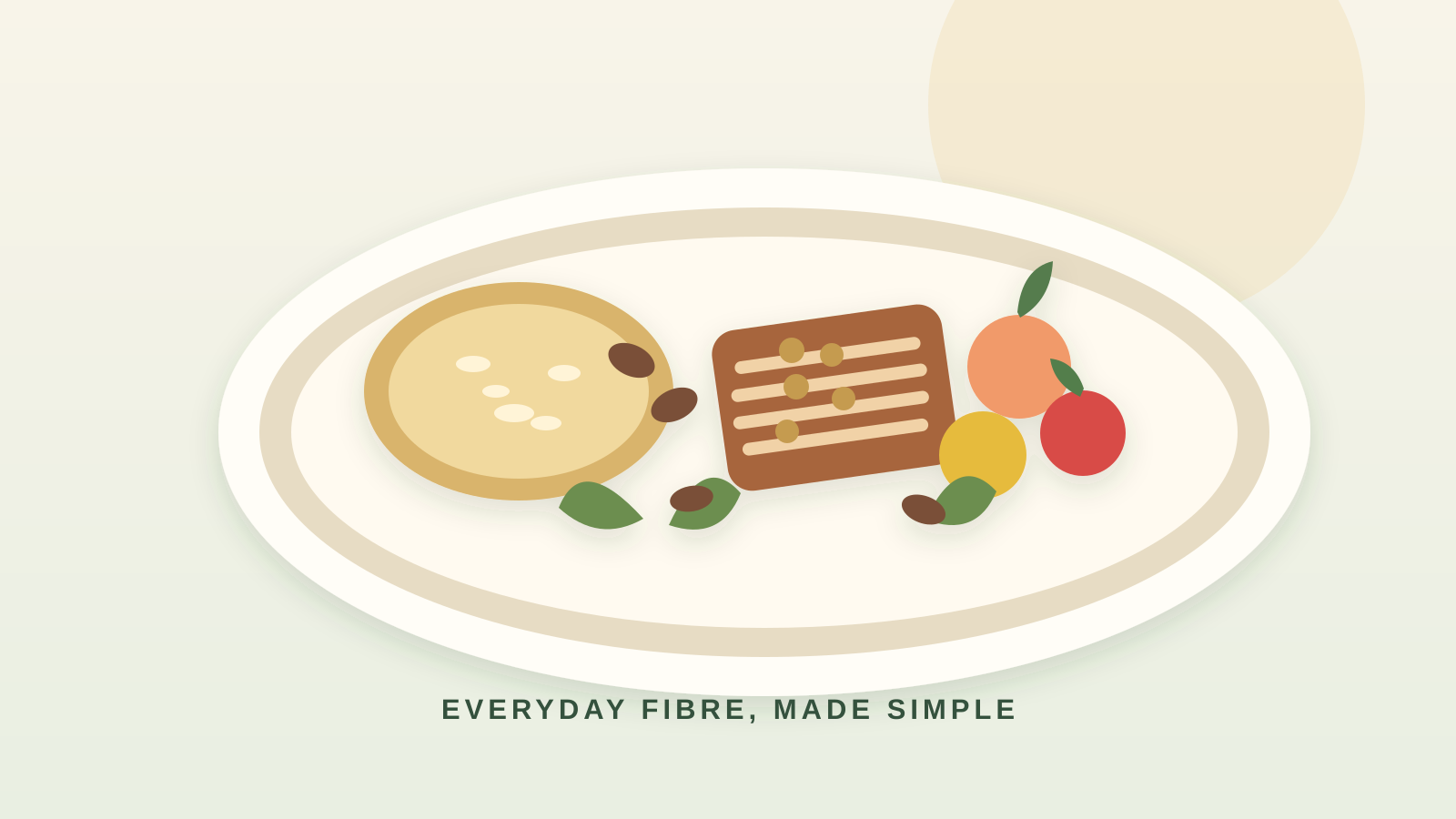
Adding more fibre does not have to mean changing every meal or following a strict food plan. Often, it is easier to make one familiar meal a little more varied: choose oats at breakfast, try a whole-grain staple, or add beans to a dish you already enjoy.
Fibre is found in plant foods such as vegetables, fruit, legumes, nuts, seeds and whole grains. Health Canada lists these as useful sources, while the World Health Organization recommends at least 25 grams a day of naturally occurring dietary fibre from foods for adults. Recommendations differ between countries, and individual needs can vary, so treat that number as general guidance rather than a personal prescription.
1. Try oats or a higher-fibre breakfast cereal
If breakfast is usually toast or cereal, try porridge made with oats, or compare cereal labels and choose an option with more fibre that you enjoy. Add fruit, nuts or seeds if they suit your taste and needs. There is no need to make breakfast elaborate: a small change you will actually eat is more useful than an ambitious plan you abandon. The NHS includes oats, fruit, nuts and seeds among its suggestions.
2. Swap in a whole-grain version of a staple
Try whole-grain bread, pasta or rice in a meal where it works for you. If you are not keen on switching all at once, mix whole-grain and refined versions, or use a whole-grain option for one meal first. Health Canada notes that whole grains generally contain more fibre than refined grains and suggests comparing products using the Nutrition Facts table.
3. Add beans, lentils or chickpeas to familiar dishes
Stir pulses into soups, stews, curries, salads or pasta sauce. Canned beans and lentils can make this a convenient cupboard swap; check the label and rinse them if you prefer. The aim is not to replace every ingredient, but to add a plant-food option to meals you already like.
4. Add a fruit or vegetable to a meal or snack
Keep fruit ready to eat, add vegetables to a sandwich or sauce, or include a side of vegetables with a meal. Fresh, frozen and canned options can all be practical choices. Choose what fits your budget, preferences and usual cooking routine.
5. Use nuts or seeds where they fit
Sprinkle a small amount of nuts or seeds over porridge, salad or yoghurt, or keep them as a snack if appropriate for you. They are one option among many, not a requirement; allergies, personal needs and preferences matter.
Make changes at a pace that suits you
If you are increasing fibre, gradual changes may feel more comfortable than making several large changes at once. Aim for variety across foods rather than relying on one “superfood” or a supplement. If you have a health condition, specific dietary advice, or symptoms that concern you, ask a qualified health professional for guidance.
The simplest starting point may be just one swap this week. Keep the meals you enjoy, choose a fibre-containing ingredient to add or switch, and build from there if it works for you.
Sources
- World Health Organization and Food and Agriculture Organization. What are healthy diets? (2024).
- Health Canada. Fibre.
- NHS. How to get more fibre into your diet.
